The Magic Flute
Elm City Opera — Costume designer
Current build — the flagship this page’s costume plate, plot, fitting schedule and budget sheet are drawn from. The Queen of the Night carries this production’s one flagged quick change.
Costume designer · New Haven, CT · United Scenic Artists, Local USA 829
A costume budgeted for a 90-second change is a different garment than the same look budgeted for twelve. That difference is decided in the design meeting, not the fitting room — which is why every build on this page starts with a costume plot, not a rendering gallery.
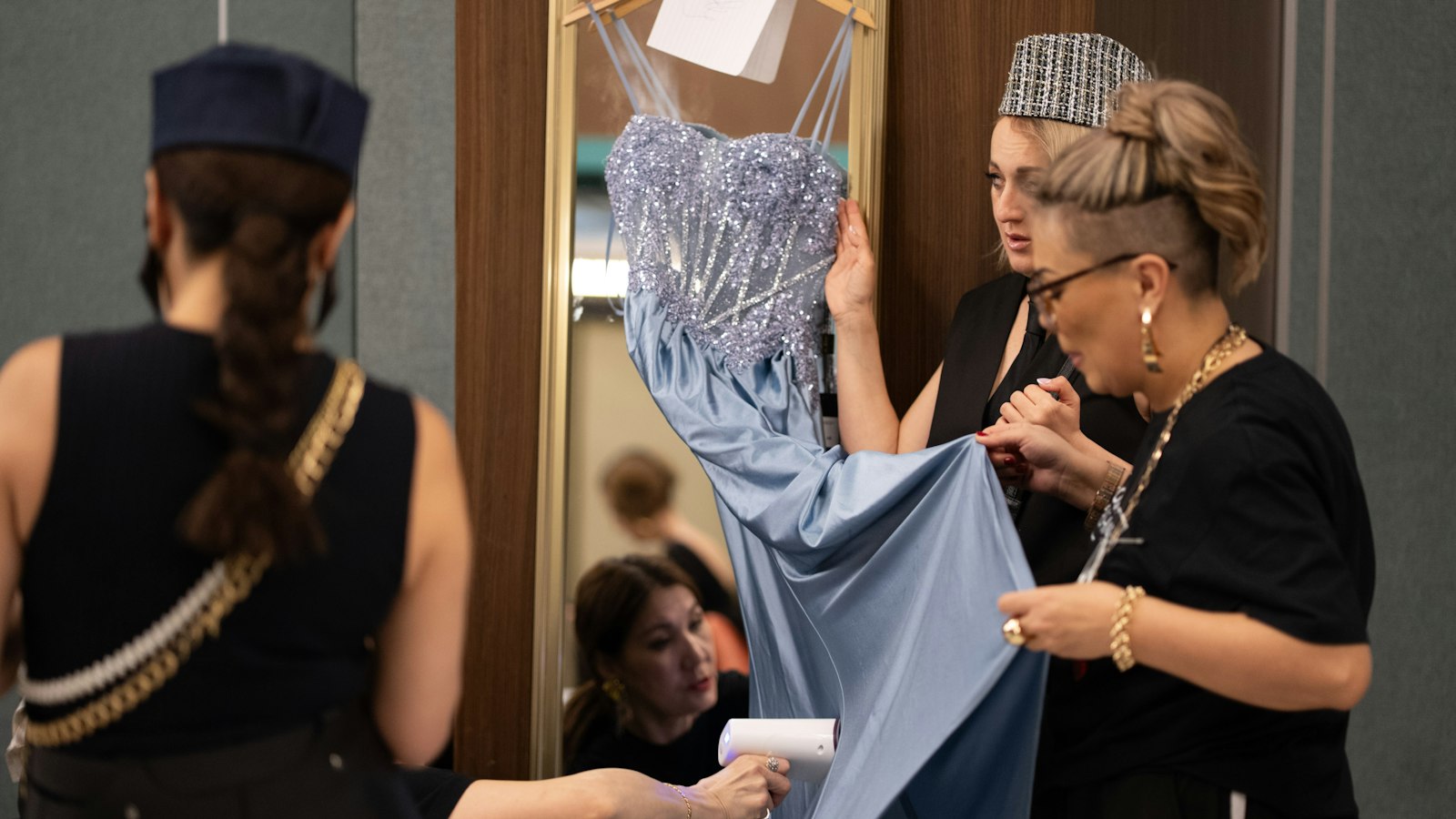
The build document, not the finished photograph
A rendering with swatch chips pinned beside it, annotated with construction notes — the document that actually governs how a look is built, not just how it photographs. This is the plate for Chiara’s current flagship build.
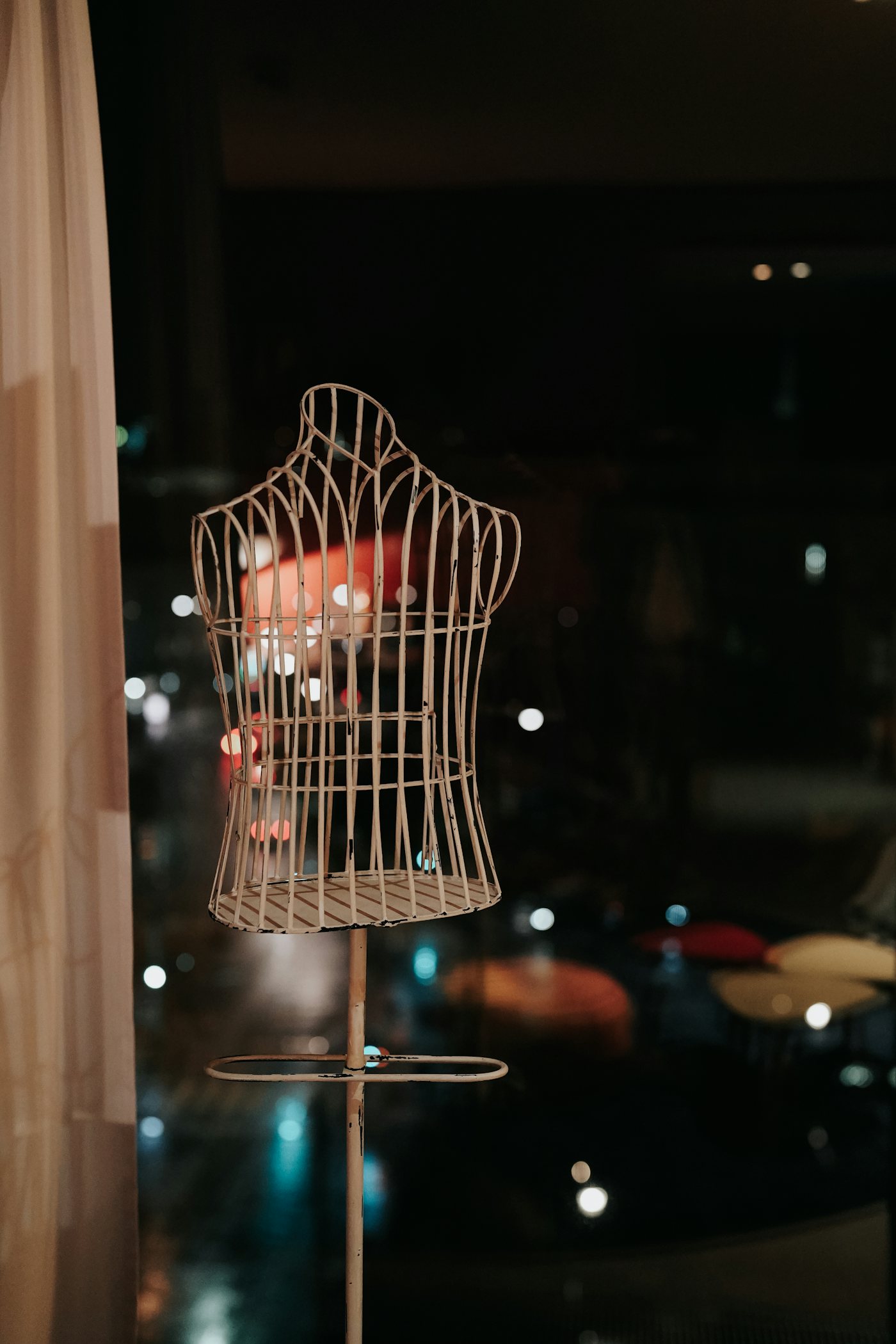
Every look, logged before a seam is cut
Character, scene, layers and any quick-change flag, for the current build — The Magic Flute, Elm City Opera. This is the document the fitting schedule and the build budget below both read from, so none of the three can quietly disagree.
| Character | Scene | Look | Layers | Quick change | Change window | Dresser |
|---|---|---|---|---|---|---|
| The Queen of the Night | Act I, Sc. 4 | 1 | Underbodice, Starburst overskirt, Beaded headdress | No | Off-stage | — |
| The Queen of the Night | Act II, Sc. 8 | 2 | Black underdress, Spiked collar, Star cape | Yes | 25s | Dresser 1 (SR wing) |
| Pamina | Act I, Sc. 2 | 1 | Chemise, Day overdress, Sash | No | Off-stage | — |
| Pamina | Act II, Sc. 6 | 2 | Trial underdress, Hooded cloak | Yes | 20s | Dresser 2 (SL wing) |
| Papageno | Act I, Sc. 1 | 1 | Feather bodysuit, Bird-catcher harness, Feathered cap | No | Off-stage | — |
| Tamino | Act I, Sc. 1 | 1 | Hunting tunic, Cloak, Boots | No | Off-stage | — |
| Sarastro | Act II, Sc. 5 | 1 | Priestly robe, Ceremonial sash, Headpiece | No | Off-stage | — |
| The Three Ladies (ensemble) | Act I, Sc. 1 | 1 | Matching gown, Veil | No | Off-stage | — |
6 tracked roles, 8 looks, 2 flagged quick changes.
A real craft term, with a real threshold
Industry sources put a quick change at 30 seconds or less, some as tight as 10–15 — and it’s treated as a distinct build problem, not a faster version of an ordinary change. Velcro, magnets, breakaway seams and pre-set layering exist because ordinary hooks, buttons and zippers can’t be undone by a dresser working blind, backstage, in the dark, against a count.
Derived from the plot, not asserted as a flat rate
Real sources describe staggered, one-at-a-time principal fittings, roughly 30 minutes each, with one or two additional fittings before tech on top of the first. Each principal below gets a muslin fitting, one first-build fitting per look, one further session for any flagged quick change, and a final fitting — so a principal with more looks and a flagged change books measurably more fitting-room hours than a one-look track.
The Queen of the Night and Pamina each carry two looks and one flagged quick change; Papageno carries one look and no flagged change. Tamino, Sarastro and the Three Ladies ensemble follow the same baseline three-session, 1.5-hour track as Papageno, since none of them carries a second look or a flagged change either — not tabulated below, to keep this table to the tracks whose numbers differ.
| Principal | Fitting stage | Weeks out | Duration | Running total |
|---|---|---|---|---|
| The Queen of the Night | Muslin fitting — Shape and proportion — no colour or notions yet. | 8 | 30 min | 0.5 hr |
| The Queen of the Night | First-build fitting — Look 1 — Underbodice, Starburst overskirt, Beaded headdress. | 6 | 30 min | 1.0 hr |
| The Queen of the Night | First-build fitting — Look 2 — Black underdress, Spiked collar, Star cape. | 5 | 30 min | 1.5 hr |
| The Queen of the Night | First-build fitting — Quick-change block, Look 2 rigging (velcro / magnet / breakaway) with the assigned dresser. | 3 | 30 min | 2.0 hr |
| The Queen of the Night | Final fitting — Dress parade note-taking. | 1 | 30 min | 2.5 hr |
| Pamina | Muslin fitting — Shape and proportion — no colour or notions yet. | 8 | 30 min | 0.5 hr |
| Pamina | First-build fitting — Look 1 — Chemise, Day overdress, Sash. | 6 | 30 min | 1.0 hr |
| Pamina | First-build fitting — Look 2 — Trial underdress, Hooded cloak. | 5 | 30 min | 1.5 hr |
| Pamina | First-build fitting — Quick-change block, Look 2 rigging (velcro / magnet / breakaway) with the assigned dresser. | 3 | 30 min | 2.0 hr |
| Pamina | Final fitting — Dress parade note-taking. | 1 | 30 min | 2.5 hr |
| Papageno | Muslin fitting — Shape and proportion — no colour or notions yet. | 8 | 30 min | 0.5 hr |
| Papageno | First-build fitting — Look 1 — Feather bodysuit, Bird-catcher harness, Feathered cap. | 6 | 30 min | 1.0 hr |
| Papageno | Final fitting — Dress parade note-taking. | 1 | 30 min | 1.5 hr |
| The Queen of the Night — total | 2.5 hr | |||
| Pamina — total | 2.5 hr | |||
| Papageno — total | 1.5 hr | |||
For a performer who can’t make it in
A remote actor’s own substitute for a fitting-room visit — nine measurements, in inches, sent directly. This form composes a plain email to Chiara’s inbox — no server, no database.
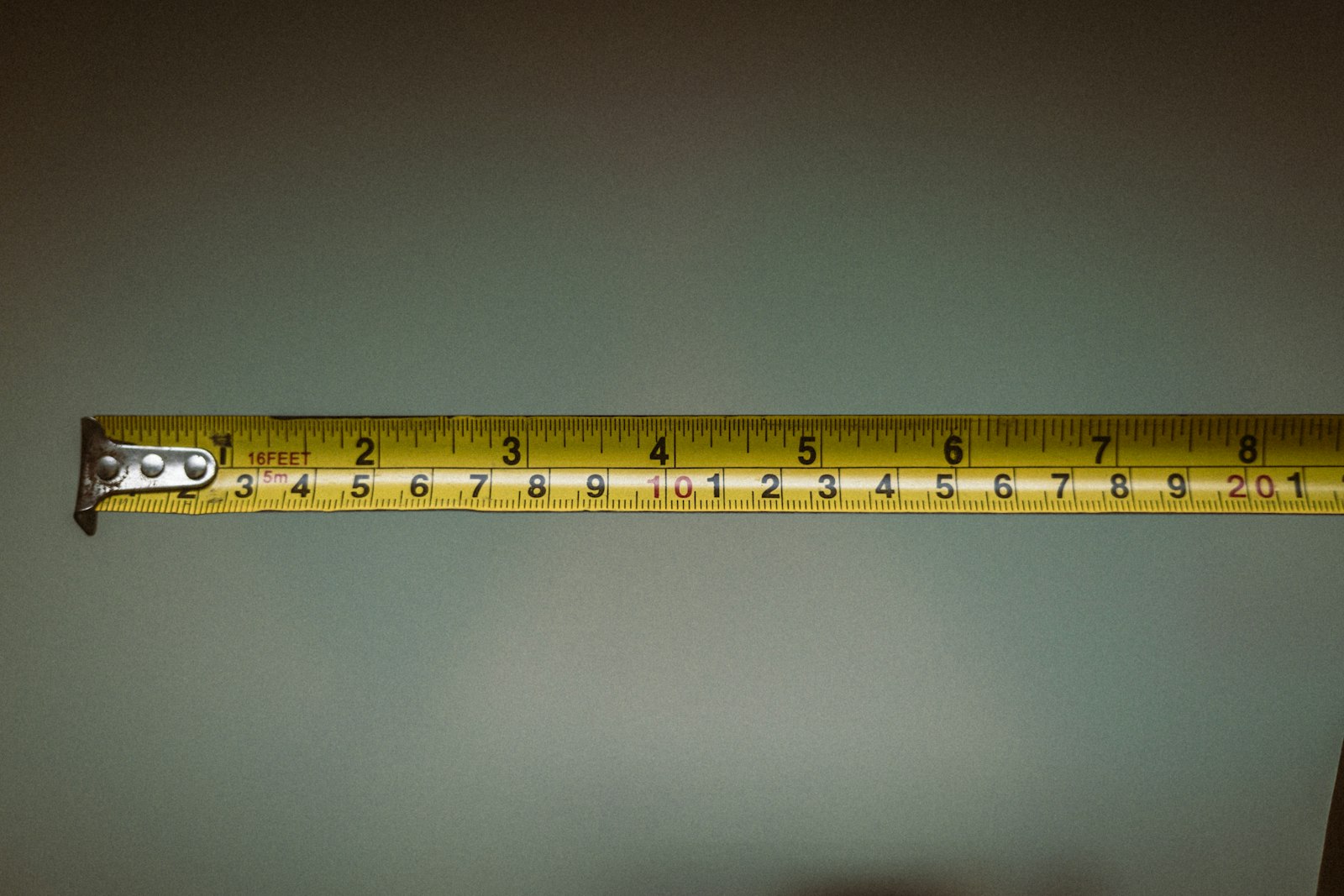
Never stored on this site — sent straight to an inbox.
Script breakdown through tech
Seven stages, from the first read of the text or score to a rehearsed, timed quick change at tech.
An honest, computable cost
Yardage includes a lining allowance and a nap allowance for directional fabrics; build hours carry a stated quick-change premium — the extra rigging and rehearsal-proofing hours a flagged change costs and an ordinary change never does.
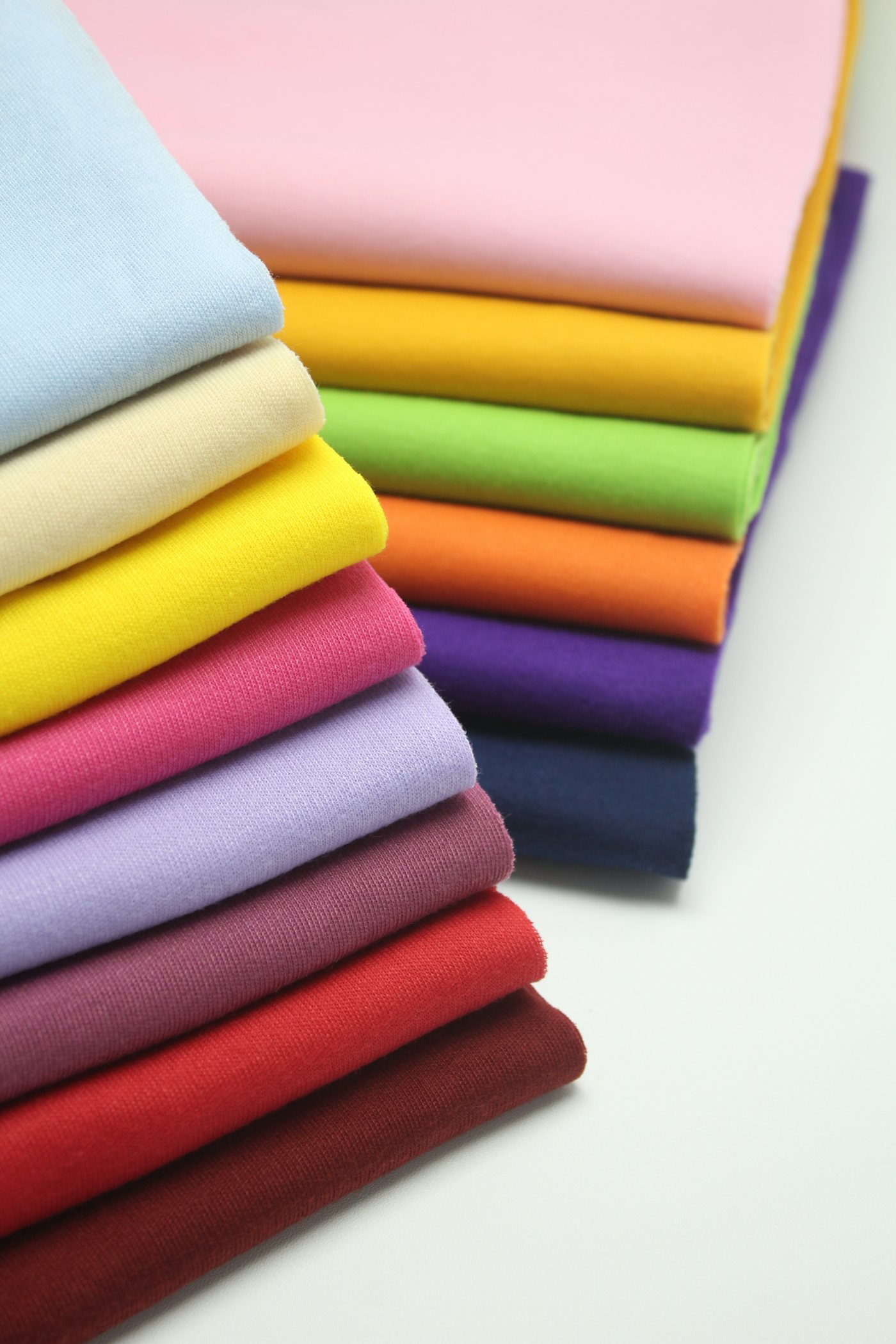
Yardage = base cut + lining allowance (if lined) + nap allowance (if the fabric has a directional pile). Build hours = base construction hours + a flat 6-hour premium for any flagged quick change.
| Garment | Fabric | Yardage | Fabric cost | Base hrs | QC premium | Notions |
|---|---|---|---|---|---|---|
| Starburst overskirt gown The Queen of the Night, Look 1 | Midnight-blue silk dupioni | 7.5 yd | $180.00 | 14 | — | $60.00 |
| Reveal gown, quick-change rigged The Queen of the Night, Look 2 | Stretch spandex/lycra jersey, black | 4 yd | $56.00 | 9 | +6 | $85.00 |
| Day dress Pamina, Look 1 | Cotton voile | 6.5 yd | $71.50 | 10 | — | $30.00 |
| Trial gown, quick-change rigged Pamina, Look 2 | Stretch panel underdress + breakaway cloak | 4 yd | $64.00 | 8 | +6 | $70.00 |
| Feather bodysuit Papageno, Look 1 | Spandex base + feather trim | 5 yd | $90.00 | 16 | — | $140.00 |
| Hunting tunic & cloak Tamino, Look 1 | Wool suiting | 8.4 yd | $184.80 | 12 | — | $40.00 |
| Priestly robe Sarastro, Look 1 | Cotton velvet | 10.7 yd | $203.30 | 13 | — | $55.00 |
| Matching gown (×3, ensemble) The Three Ladies (ensemble), Look 1 | Taffeta | 6.5 yd | $84.50 | 9 | — | $35.00 |
| Total, fabric cost & build hours | $934.10 | 103 hrs | — | |||
Eight shows a week, six nights running
A costume’s job doesn’t end at dress parade — it has to survive the run. The nightly routine that keeps every look ready for curtain.
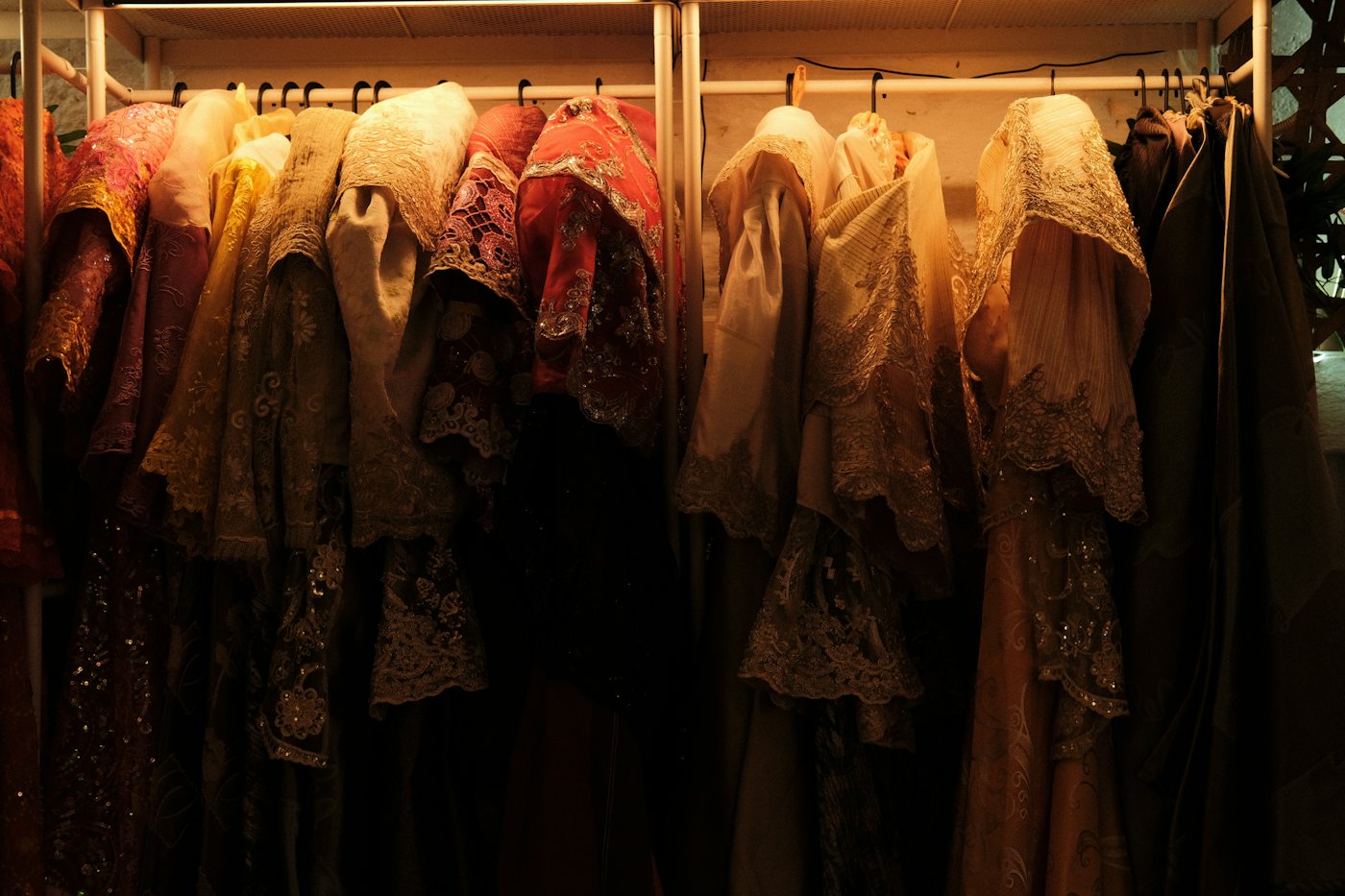
Opera, ballet, theatre and new work
Five productions, five companies — every company, director and role below is fictional (see the design reference).
Elm City Opera — Costume designer
Current build — the flagship this page’s costume plate, plot, fitting schedule and budget sheet are drawn from. The Queen of the Night carries this production’s one flagged quick change.
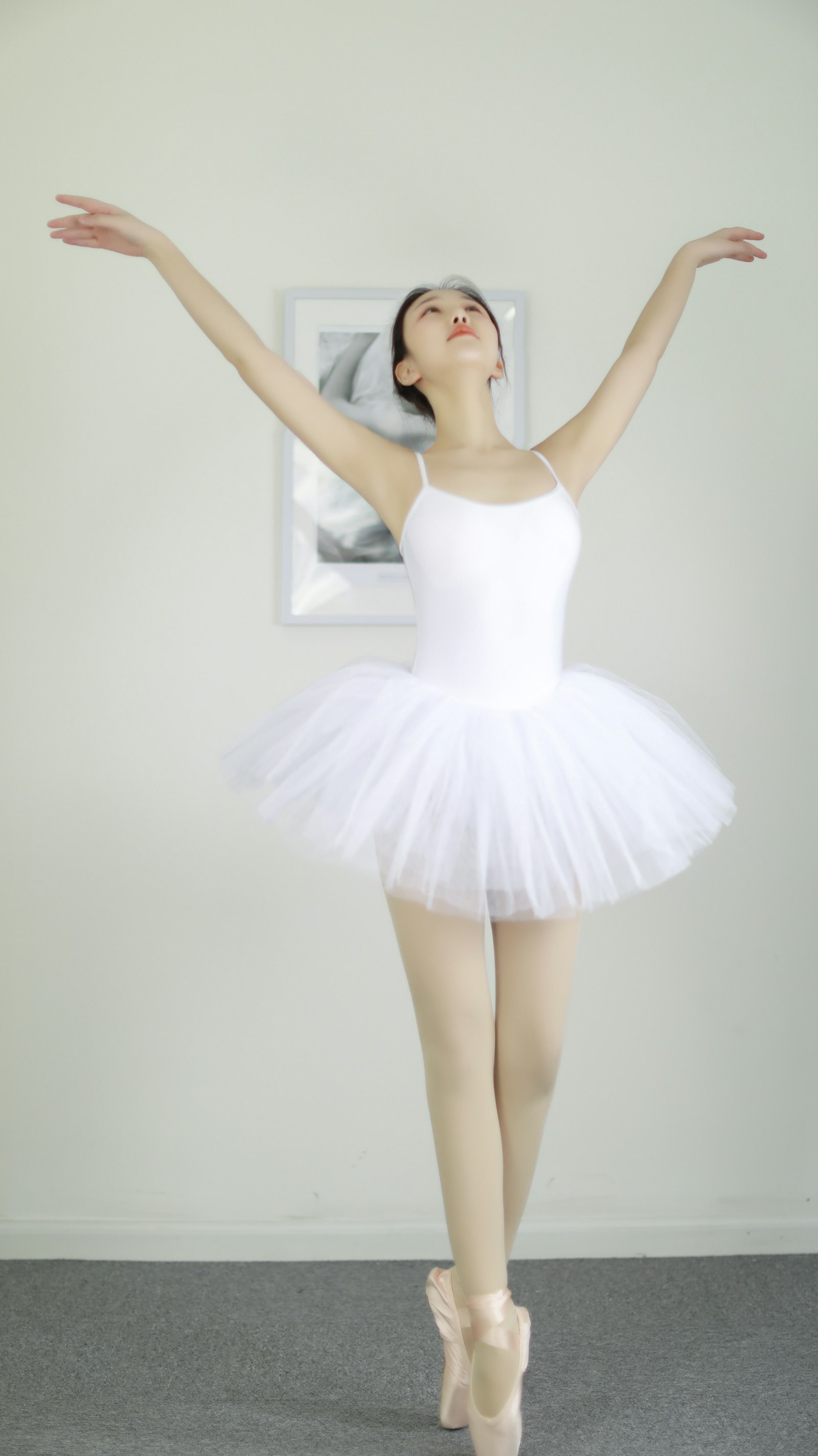
Long Ridge Ballet — Costume designer
A full-company classical build — corps tutus, principal variations and the mime-heavy character roles, fitted around a rehearsal calendar with no dark days.

Ferry Street Theatre Company — Costume designer
Shakespeare’s comedy, played for the fantastical — the fairy court built from stretch and structure so the actors could still move through a forest set at speed.
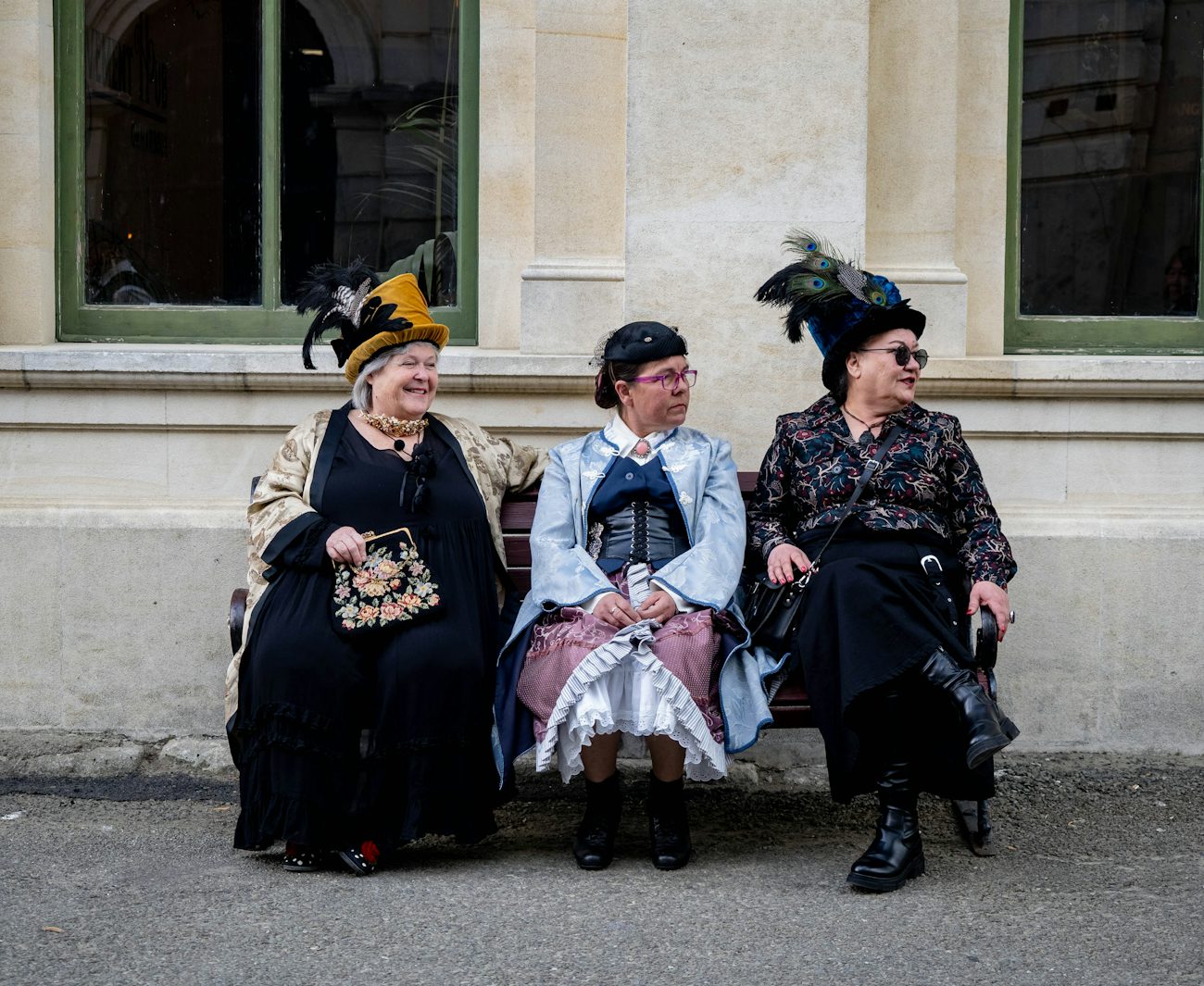
Whitney Avenue Rep — Costume designer
Wilde’s drawing-room comedy in full late-Victorian silhouette — corsetry, hats and gloves built to a real period line, not a costume-shop approximation of one.
Nutmeg Family Theatre — Costume designer
A new family musical, commissioned for a young audience — bright, durable costumes built to survive an eight-show week of jumping, not just standing still under stage light.
New Haven, on purpose
Chiara Benedetti works as a freelance costume designer from New Haven, CT, a city whose theatre culture has long run through the Yale School of Drama’s costume design program. Work spans regional opera, ballet and theatre, in period and in new work, designed for the stage rather than the camera.
Trained at the Yale School of Drama, then several years assisting resident costume designers at regional opera and theatre companies — the costume-plot discipline on this page is that apprenticeship’s habit, not a marketing device. Member, United Scenic Artists, Local USA 829, the IATSE local covering costume designers across theatre, opera, ballet and film.
“The costume plot caught our one impossible quick change during the design meeting, not in tech week — that’s a week of rehearsal we didn’t lose.” — Stage director, regional opera commission
“I’ve run shows off a plot that didn’t match the rack before. This one always does — rack order, dresser assignments, change windows, all in the same document.” — Wardrobe supervisor, regional theatre company
Questions
Because a build budget is yardage × fabric cost, plus base build hours, plus a quick-change premium for any flagged change — and none of those figures exist until the costume plot is set, which happens only after script or score breakdown. Quoting a number before that would misstate the least certain fact on this page as the most certain one.
Industry sources put the threshold at 30 seconds or less, some as tight as 10–15 — and it’s treated as a distinct build problem, not a faster version of an ordinary change. Velcro, magnets, breakaway seams and pre-set layering exist because ordinary hooks, buttons and zippers can’t be undone by a dresser working blind, backstage, against a count. See the quick-change engineering sequence above.
It’s derived from your track on the costume plot, not a flat number: every principal gets a muslin fitting, one first-build fitting per look, one further session for any flagged quick change, and a final fitting. The fitting schedule above shows exactly how that adds up for three tracks of different complexity on the current build.
Yes — the measurement sheet below has no database behind it. It either posts to a configured static form endpoint or composes a plain email, so your numbers go straight to Chiara’s inbox and nowhere else. Nothing is stored on this site.
Both, depending on budget and timeline — principal and quick-change looks are almost always built from scratch, while some ensemble or background pieces are sourced or rented and altered to fit. There’s no retail arm to this practice: every costume made here is built for one production and stays that company’s property or returns to a rental house.
Start a conversation
LinkedIn is fastest for a first message; email works too. For a production already in motion, the form below reaches Chiara directly.