A model box is exact at 1:25 — until it meets a door that doesn’t scale. A 1:25 model box draws the shape of a set with no penalty at all — card doesn’t hit
door frames. The built piece has to pass through a real venue’s real dock door, on a fixed day, or
it gets designed from the outset to strike down into sections that do.
Every design starts as a white card model at a fixed British convention: 1:25 scale.
A director approves the shape of a scene — sightlines, entrances, the scale of one room against another —
before colour or texture enters the conversation. Once the shape is signed off, the same model is rebuilt
in full paint and texture as the final model.
White card to final model
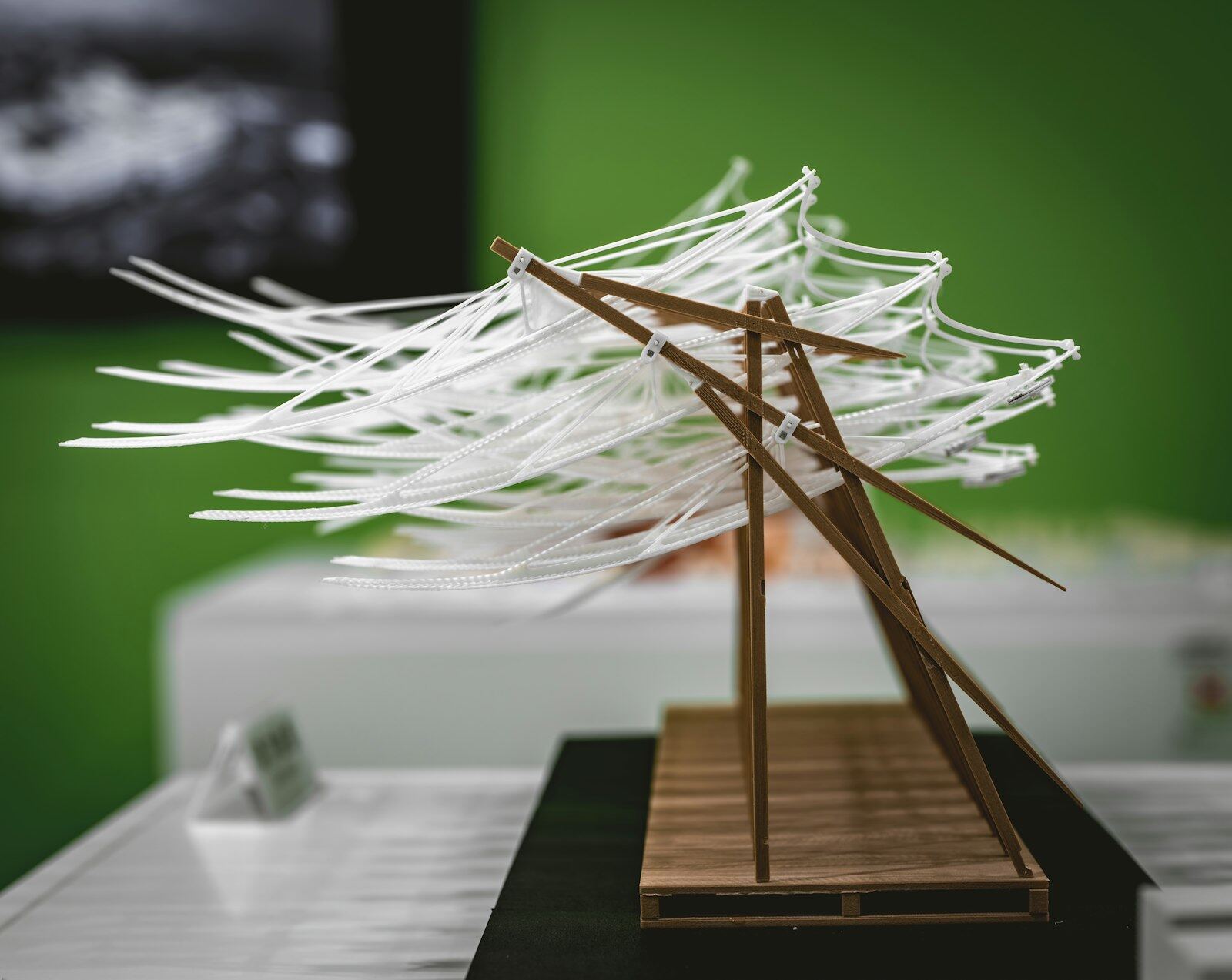
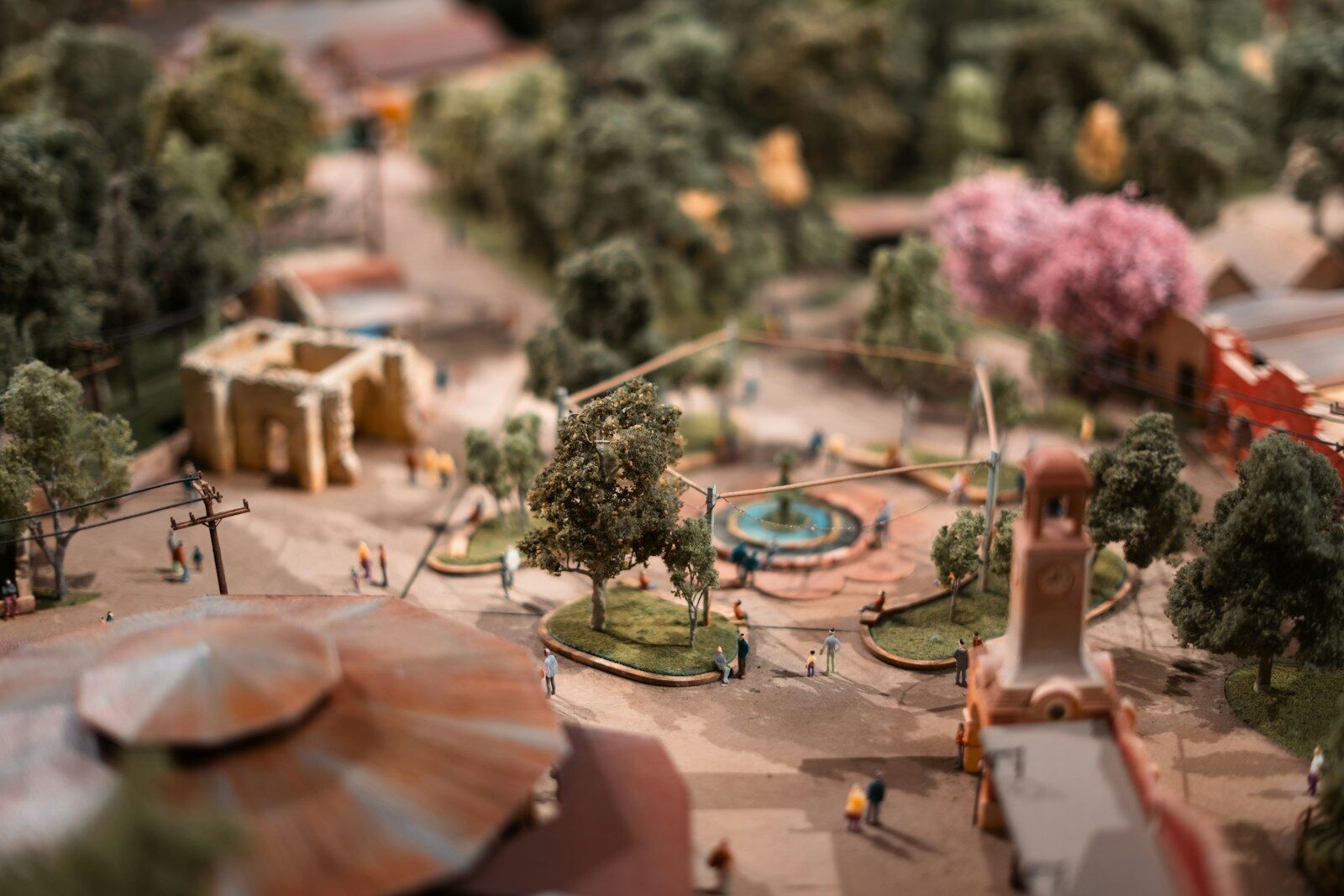
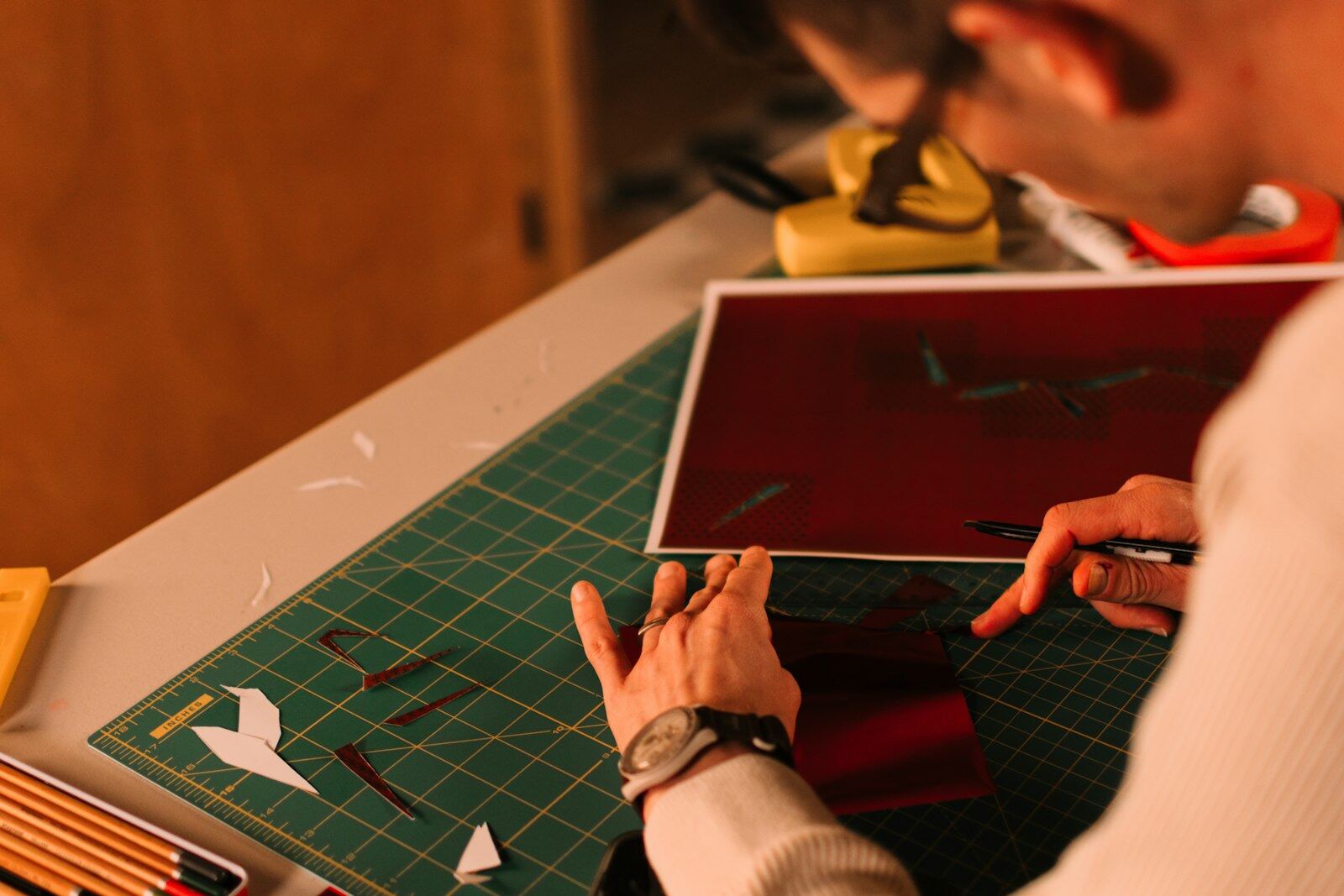
White card model Shape only — no colour, no texture, nothing to distract from whether the staging works. Final model Rebuilt in full paint and texture once the white card is signed off — the reference every later decision is checked against. Model-making Card, scalpel and cutting mat — the same tools whether the model is a white card block or the final paint.
The convention this whole page runs on: an 8 cm doorway in the model box reads as a 2 m doorway once it’s built.
Glossary
White card model
The first model box built, in plain white card only — shape and proportion for a director to approve before colour or texture enters the conversation.
Final model
The fully painted, textured 1:25 model built once the white card is signed off — the reference every paint, prop and lighting decision is checked against.
Ground plan
The scaled overhead drawing of the set on the stage floor — every flat, truck and masking leg positioned against the venue’s own stage dimensions.
Get-in
The day (and the loading-dock door) a production’s scenery physically enters the receiving venue — a fixed width and height every truck, flat and frame has to clear.
Fit-up
The period after get-in spent flying, levelling and rigging the set inside the venue, before technical rehearsals begin.
Sightline / C-value
The vertical clearance, in millimetres, between one row’s line of sight and the head of the person in the row in front — the geometry that confirms the worst seat can still see the stage floor.
Strike
Dismantling the set at the end of a run, usually overnight, so the stage and the get-in dock are clear for the next production.
The axis this page runs on
Model to stage
A model box has no opinion about whether a piece fits through a door. Nidderdale Theatre’s own published
technical specification states its dock door at 3.0 m
× 1.8 m, with a 1.22 m drop
to street level. Every set piece for La Bohème at Nidderdale Theatre was checked against that one
fixed opening before a saw was switched on.
Set piece, model measurement, built dimension at 1:25, venue dock door, verdict
Set piece
Model (×25)
Built
Nidderdale Theatre dock door
Verdict
Garret flat run (Act 1)
10.8 cm (width)
2.70 m
3.0 m × 1.8 m
Passes assembled — under the 3.0 m dock width
Café frontage truck (Act 2)
13.6 cm (width)
3.40 m
3.0 m × 1.8 m
Struck to two bolt-together sections for the get-in
Rooftop snow rostrum (Act 3)
7.6 cm (height)
1.90 m
3.0 m × 1.8 m
Legs removed for transit — 190 cm assembled exceeds the 1.8 m dock height
Cyclorama frame
14.4 cm (width)
3.60 m
3.0 m × 1.8 m
Built in two sections — 360 cm assembled exceeds the 3.0 m dock width
Every flat, truck and rostrum in the ground plan above is drawn against this one fixed opening — Nidderdale Theatre’s own get-in door, published at 3.0 m wide.
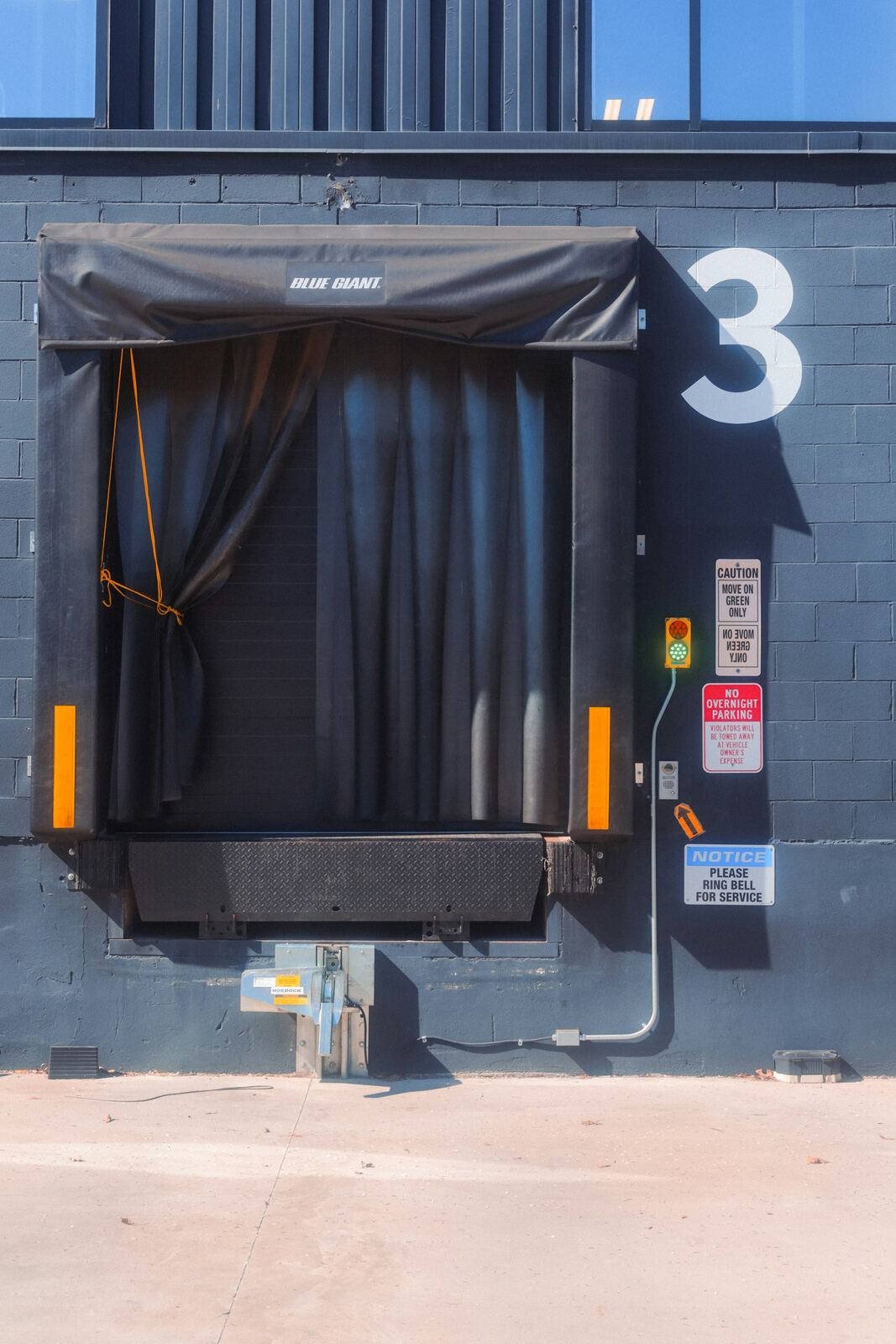
Build Every set piece checked in the table above is built from the working drawings before it ever reaches the dock door. Get-in A receiving venue's dock door doesn't negotiate — every truck, flat and frame passes through it, undamaged, on a fixed day.
The second geometry check
Sightlines
A raked rostrum or a low set piece is checked against a C-value —
the vertical clearance between one row’s line of sight and the head of the person in the row in front —
to confirm the worst seat in the house can still see the stage floor at the depth the set requires.
It’s checkable geometry, not a design platitude, and it’s why a set’s ground-level detail sometimes has
to be raised onto a rostrum rather than left flat.
Worked example
For the worst-affected row — seated eye height 1.15 m, a
300 mm rise over the row in front, checking a
floor-level detail 4 m beyond it — a flat piece
returns a C-value of -86 mm: blocked. Raised on an
800 mm rostrum, the same line clears by
61 mm, above the 60 mm figure
UK guidance commonly treats as a practical working minimum.
Flat, the sightline to the stage floor runs 86 mm below the head in front — blocked.
Raised on an 800 mm rostrum, the same line clears by 61 mm, above the
60 mm figure UK guidance commonly treats as a practical working minimum.
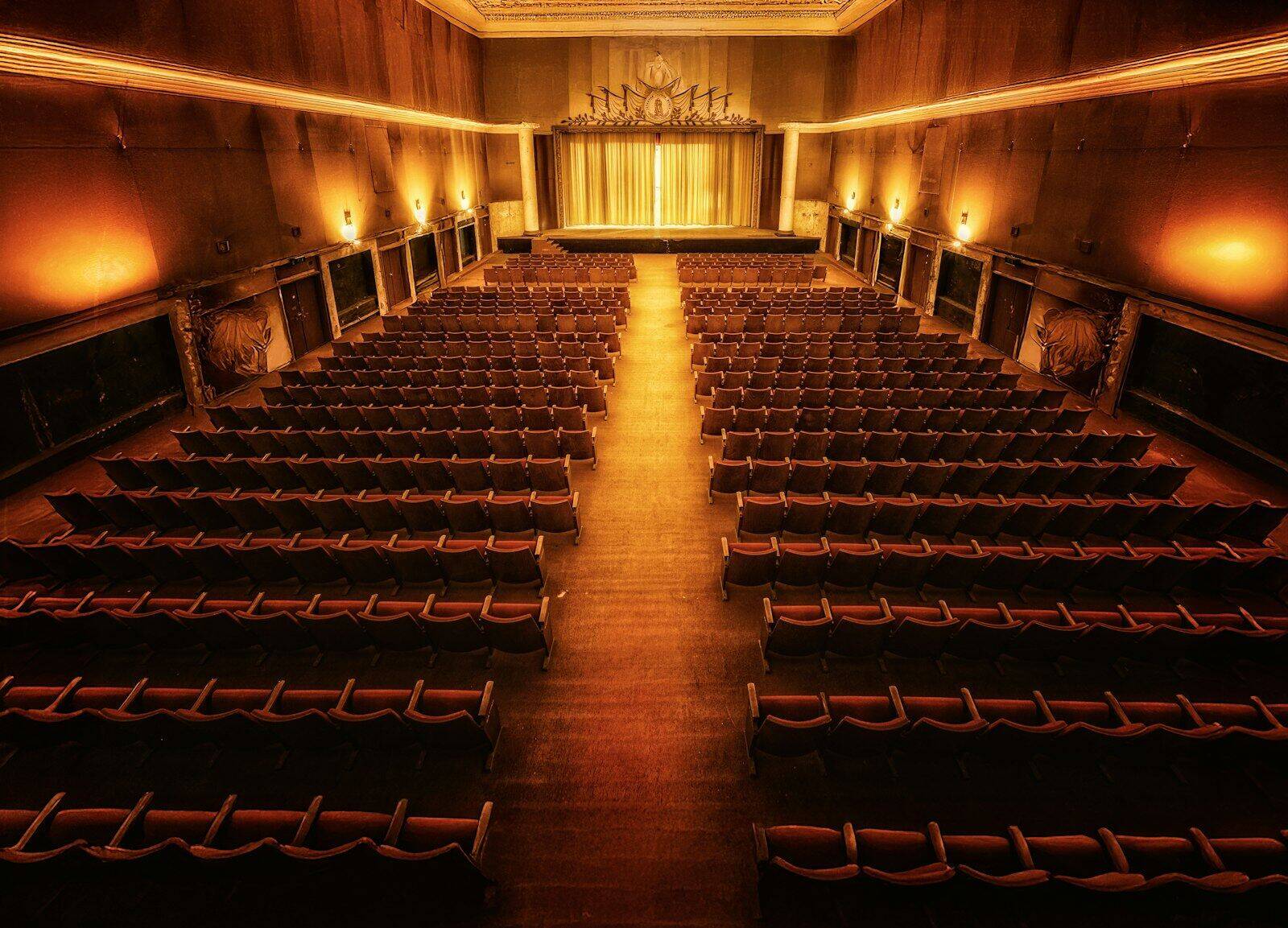
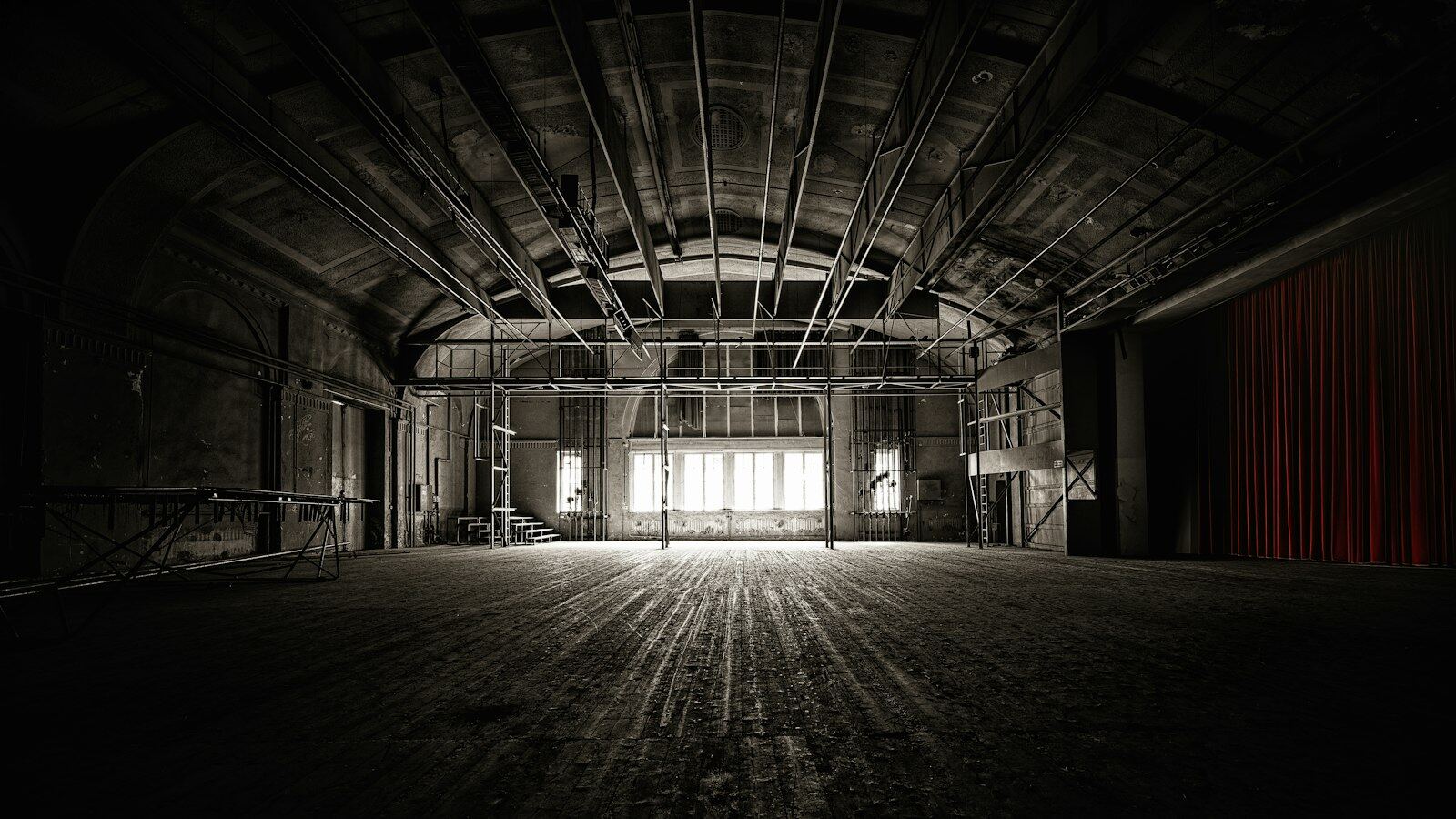
The house Every sightline check starts from the worst seat the venue actually sells, not the best one.
Six productions, and how this practice works
Selected productions
Regional reps, an opera transfer and a dance commission — six productions with full credits, plus three
practice notes on training, representation and recognition.
Opera · 2023
La Bohème
The flagship of this page’s arithmetic — a touring transfer whose garret, café frontage and rooftop snow rostrum all had to pass through Nidderdale Theatre’s own dock door on a fixed get-in day. See “Model to stage” and “Build & get-in schedule” below.
Director
Thomas Redfearn
Lighting
Priya Manku
Costume
Sable Winstanley
Venue
Nidderdale Theatre, Harrogate
Run
14–28 October 2023
‘Osei’s garret is a masterclass in scale — you believe every draughty inch of it.’ — Priya Whitlock, Aire & Calder Review
Dance · 2022
The Nutcracker
A dance commission — the Land of Snow built as a raked rostrum deck, checked against the house’s own sightlines so the corps stays visible from the last row of the circle.
Director
Anke Solberg
Lighting
Connor Aldous
Costume
Freya Lindqvist
Venue
Bridgewater Theatre, Halifax
Run
6–31 December 2022
‘The Land of Snow arrives on a rake so cleanly built the dancers never once glance down.’ — Callum Ashworth, West Riding Stage Review
Theatre · 2021
Much Ado About Nothing
A Sicilian villa courtyard built from three reversible flats and a single ground row — a mid-scale regional rep budget stretched by reusing the same flats as the garden and the church interior.
Director
Priya Chandaria
Lighting
Owen Fairweather
Costume
Naledi Osafo
Venue
Kirkgate Playhouse, Wakefield
Run
3–24 July 2021
‘A Sicilian villa built from three flats and real conviction.’ — Nadia Pemberton, Northern Arts Bulletin
Theatre · 2020
The Frost Fair
A new family-friendly Christmas commission — a market-square set strung with practical festoon lighting, built to strike into a bare stage within the venue’s single overnight changeover.
Director
Callum Nesbitt
Lighting
Hana Vermeulen
Costume
Robyn Iqbal
Venue
West Riding Playhouse, Leeds
Run
21 November 2020 – 5 January 2021
‘The market square set is as much a character as anyone in the cast.’ — Elias Thorncroft, Dales Cultural Digest
Theatre · 2019
The Tempest
A shipwreck rendered as a single raked deck and a flown cyclorama, with no literal ship at all — the storm carried entirely by lighting and the rake underfoot.
Director
Marguerite Fenwick
Lighting
Aidan Okoye
Costume
Imogen Radley
Venue
Dovecote Theatre, York
Run
12 September – 3 October 2019
‘A shipwreck rendered with more restraint, and more menace, than the play usually gets.’ — Ffion Radcliffe, Pennine Stage Notes
Theatre · 2018
Cinderella
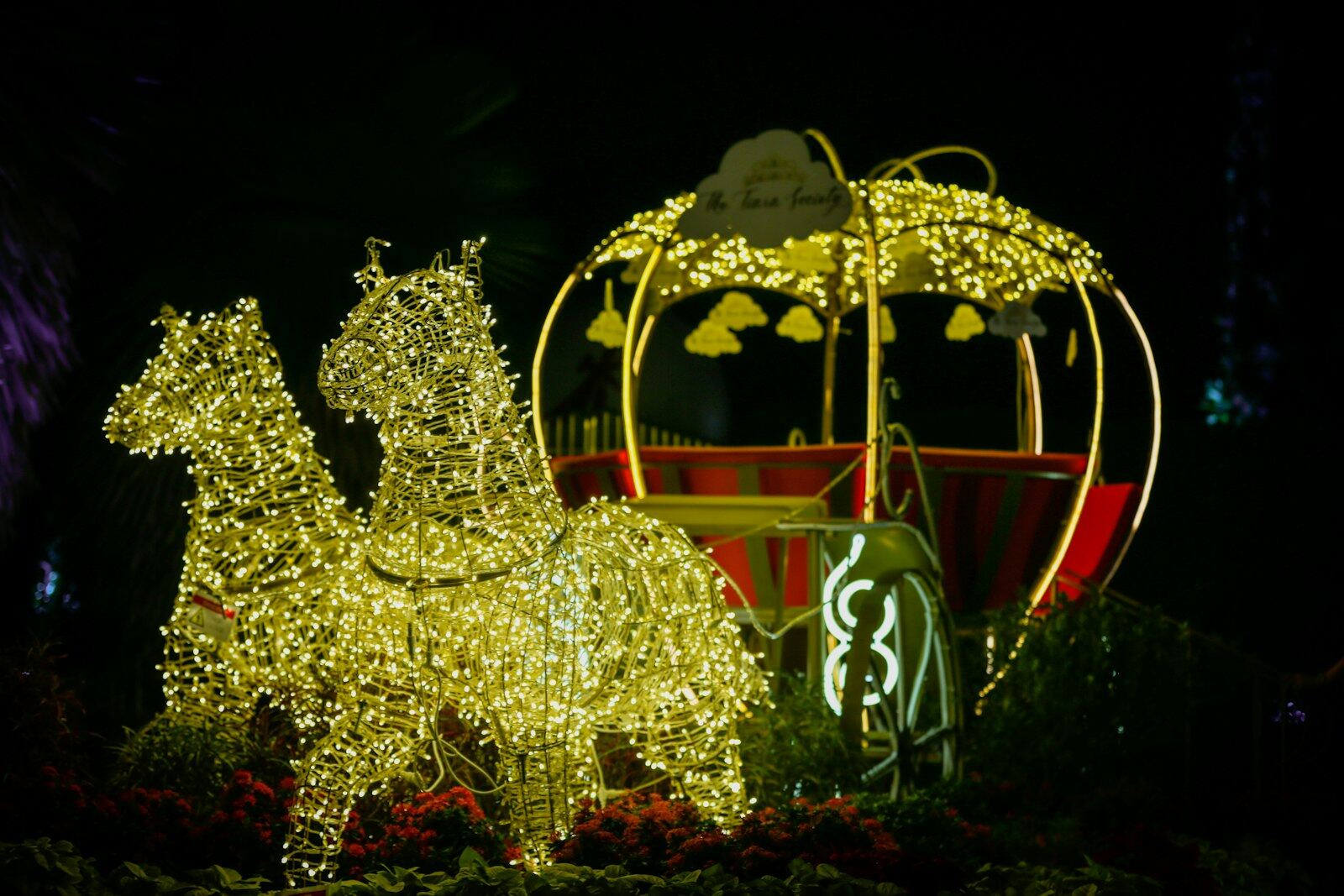
A family Christmas production built around one practical effect: a pumpkin coach that opens out from a flown truck in full view, rigged to a strict eight-second cue.
Director
Joseph Okonkwo
Lighting
Delphine Marsh
Costume
Robyn Iqbal
Venue
Sable Row Theatre, Sheffield
Run
8 December 2018 – 12 January 2019
‘The pumpkin coach’s transformation drew an audible gasp from the stalls.’ — Judith Okwuosa, White Rose Theatre Quarterly
Training
Training & background
Trained on the Motley Theatre Design Course, London, before six years assisting resident designers at mid-scale regional reps — the model-box discipline on this page is that apprenticeship’s habit, not a marketing device.
Representation
Representation
Commissioning enquiries that need to go through an agency are handled by Ridgeway Creative Management; most bookings, in practice, come direct — see Contact below.
Recognition
Recognition
The white card model for La Bohème was selected for the Northern Stage Design Show, Leeds, in 2023 — a regional showcase, not a national award, and named here as exactly that.
Every credit, in one table
Production history
Production, venue, director and year, for every production named on this page.
Production, venue, director, year
Production
Venue
Director
Year
La Bohème
Nidderdale Theatre, Harrogate
Thomas Redfearn
2023
The Nutcracker
Bridgewater Theatre, Halifax
Anke Solberg
2022
Much Ado About Nothing
Kirkgate Playhouse, Wakefield
Priya Chandaria
2021
The Frost Fair
West Riding Playhouse, Leeds
Callum Nesbitt
2020
The Tempest
Dovecote Theatre, York
Marguerite Fenwick
2019
Cinderella
Sable Row Theatre, Sheffield
Joseph Okonkwo
2018
Press
Press quotes on this page are placeholder copy — plausible but entirely fictional, attributed to invented
regional arts titles, never to a real critic or outlet. See /design/.
‘Osei designs like someone who has actually stood in the loading dock.’ — Marcus Hallewell, Ridings Arts Weekly
‘Regional theatre’s model boxes rarely reward close looking. Hers do.’ — Sinead Corcoran, Moorland Culture Post
Research to strike, in the order it happens
Process
Ten stages, from the first read of the text or score to the set coming back out through the dock door
it went in through.
ResearchReading the text or score, gathering period and place reference, and a first conversation with the director about the world of the production.
White card modelA plain card 1:25 model exploring the shape of the design — no colour, no texture, nothing to distract from whether the staging works.
Director / production-manager sign-offThe white card presented against the budget and the venue’s own stage dimensions — the shape is approved, or sent back, before any colour work starts.
Final modelThe white card rebuilt in full paint and texture at the same 1:25 scale — the reference the workshop, the paint frame and the props table all build against.
Working drawingsGround plans, elevations and paint elevations, dimensioned in full scale from the final model, issued to the workshop.
BuildFlats, trucks, rostra and the cyclorama frame built from the working drawings at the workshop.
PaintScenic paint and ageing applied on the paint frame, checked against the final model under work light.
Get-in & fit-upScenery trucked to the venue, unloaded through its dock door and rigged, levelled and flown on stage.
Technical rehearsalsCue-to-cue and full runs with lighting, sound and the full creative team, in the venue, on the built set.
StrikeThe set dismantled at the end of the run and trucked back out through the same dock door.
Build & get-in schedule
The full build, get-in, fit-up and technical schedule for La Bohème at Nidderdale Theatre, 14–28 October 2023.
Stage, timing, detail
Stage
Timing
Detail
Build
Weeks 1–5
Flats, trucks and the cyclorama frame built at the workshop from the working drawings.
Paint
Week 5
Scenic paint and ageing applied on the paint frame, checked against the final model under work light.
Get-in
Day 1, 08:00–18:00
Trucks unloaded through Nidderdale Theatre’s 3.0 m × 1.8 m dock door; sectioned pieces re-bolted on stage.
Fit-up
Days 1–2
Cyclorama rigged and flown, rostra levelled and legged, masking hung.
Technical rehearsal
Days 2–3
Cue-to-cue with lighting, sound and the full creative team.
Dress rehearsal
Day 3, evening
Full run in venue conditions, on the built set.
Strike
Closing night, post-show
Set struck and trucked out through the same dock door within the venue’s overnight changeover window.
A range, not a false-precise figure
Fees
Design fees for a mid-scale regional production typically sit between £3,000 and £9,000, depending on the scope of the build — a handful of flats and a ground row reads very differently to a full rostra-and-cyclorama build — and on the rehearsal-period length. A touring production or an opera transfer sits toward the top of that range, or above it.
Where a production subsequently transfers, a further royalty is agreed at that point, following the banding set out in UK Theatre’s designer agreements — not a single figure quoted up front, because the terms of a transfer aren’t settled until there is one to transfer.
No fixed day rate or flat project fee is published here for the same reason a model box doesn’t state a venue’s dock-door width: the honest number depends on a scope this page can’t see yet.
Leeds, on purpose
About Elspeth Osei
Elspeth Osei works as a freelance set designer from Leeds — home to Leeds Playhouse, Opera North
and Northern Ballet, one of the few UK cities with a producing house, an opera company and a dance
company all based in the same postcode. A member of the Society of British Theatre Designers, work spans
mid-scale regional reps, an opera transfer and a dance commission, deliberately not solely London’s
commercial West End.
Elspeth is currently in early design for a not-yet-announced production with a
regional receiving house — its dates aren’t settled by the producing theatre yet, so it’s described
here in prose only, not marked up as a scheduled event.
Training & background
Trained on the Motley Theatre Design Course, London, before six years assisting resident designers at
mid-scale regional reps — the model-box discipline on this page is that apprenticeship’s habit, not a
marketing device.
Sketchbook Every production starts on paper, before it starts in card.
Start a conversation
Contact
LinkedIn is fastest for a first message; email works too. Producers commissioning through an agent can
reach Elspeth via Ridgeway Creative Management. There’s no form here — just say what you’re building.