Anvil
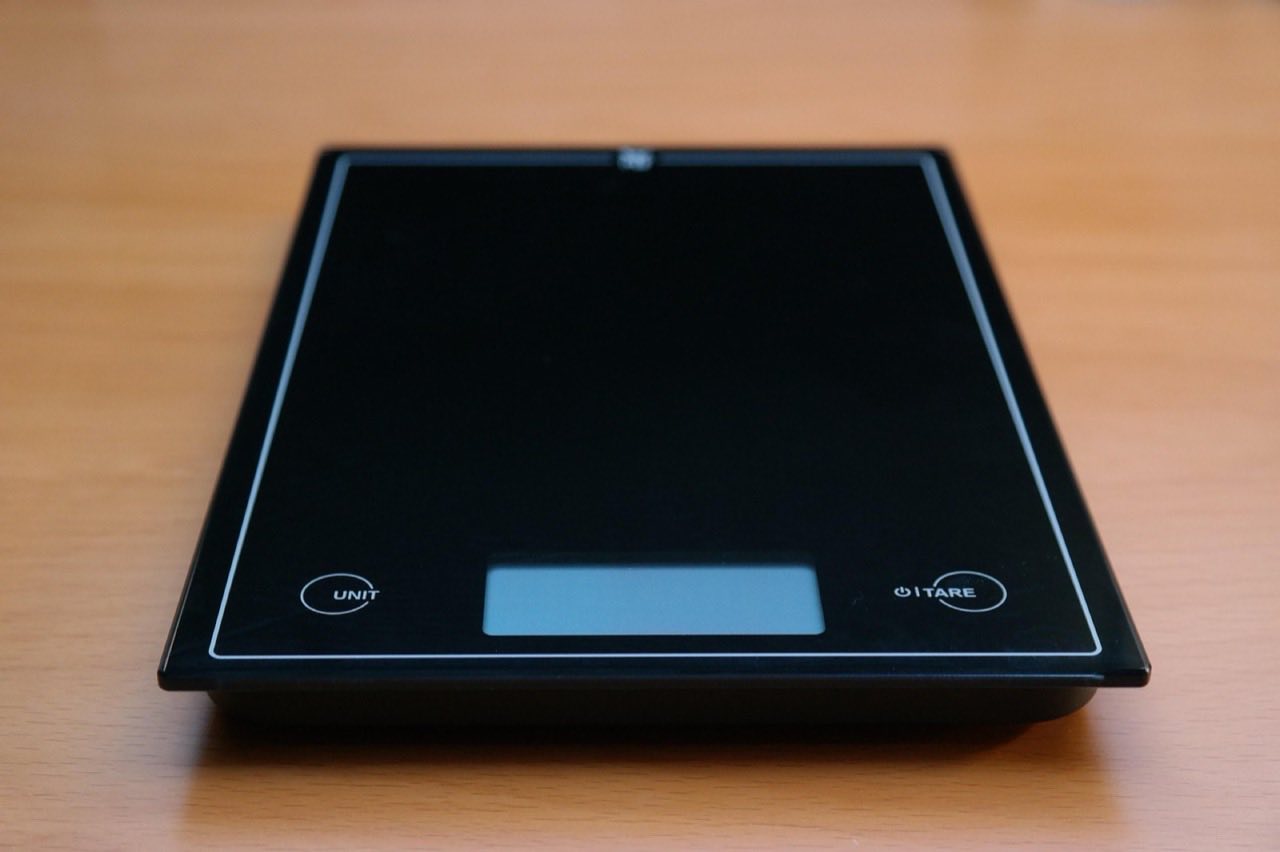
Foundry's own small-batch product — the flagship this page's DFM review sheet, cut-list-equivalent bill of materials and test report are all drawn from.
Industrial designer · Pittsburgh, PA
Consumer hardware and small-electronics enclosures, designed for injection-molded manufacture — kitchen tools, power accessories, measurement devices. Every fit that matters gets a DFM review sheet before a tool is quoted: resin shrink rate, per-face draft and a real tolerance stack, not a render with a promise attached.
Client work and Foundry's own IP
Client work below is NDA-bound — named by role, not by client name, consistent with real consultancy practice. Anvil is Foundry's own IP: small-batch manufactured and sold directly, and the demonstration object the DFM review sheet below is drawn against. Overall dimensions, project by project:
Foundry's own small-batch product — the flagship this page's DFM review sheet, cut-list-equivalent bill of materials and test report are all drawn from.

A battery-powered reader enclosure designed around a rigid internal PCB stack, IP54-rated for a clinic countertop, molded in polycarbonate for drop resistance.
Product lead, point-of-care diagnostics

A stackable charging-dock shell with concealed cable routing, DFM-reviewed for a single-cavity tool across three color variants.
Hardware director, connected-home startup
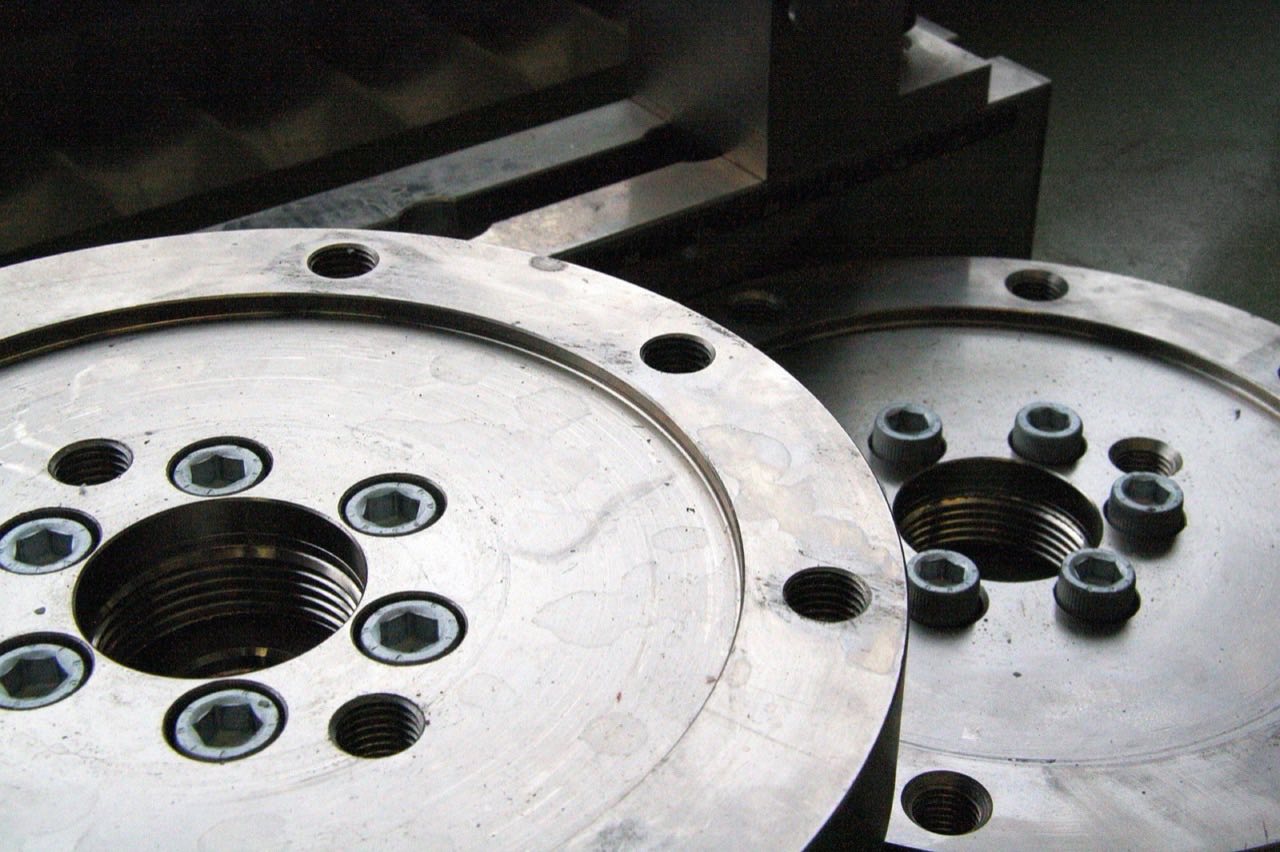
A two-shot overmolded grip housing for a cordless driver, tooled for a 250,000-unit annual run — the tooling program this page’s cavity photo is drawn from.
Manufacturing engineering lead, portable-power division
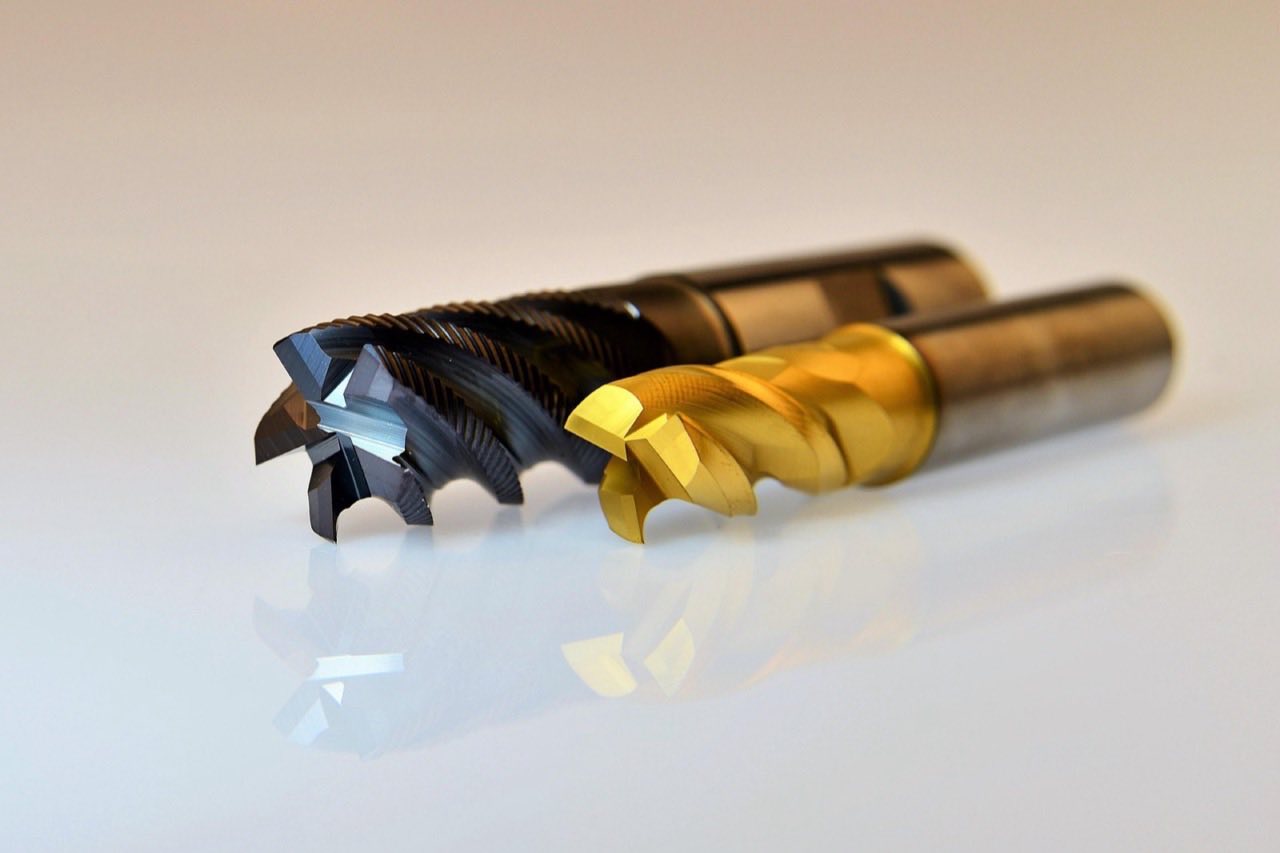
A calibration-grade instrument housing machined as a bridge tool ahead of the production mold, holding tolerances a standard DFM pass wouldn’t catch.
R&D manager, precision-instruments manufacturer
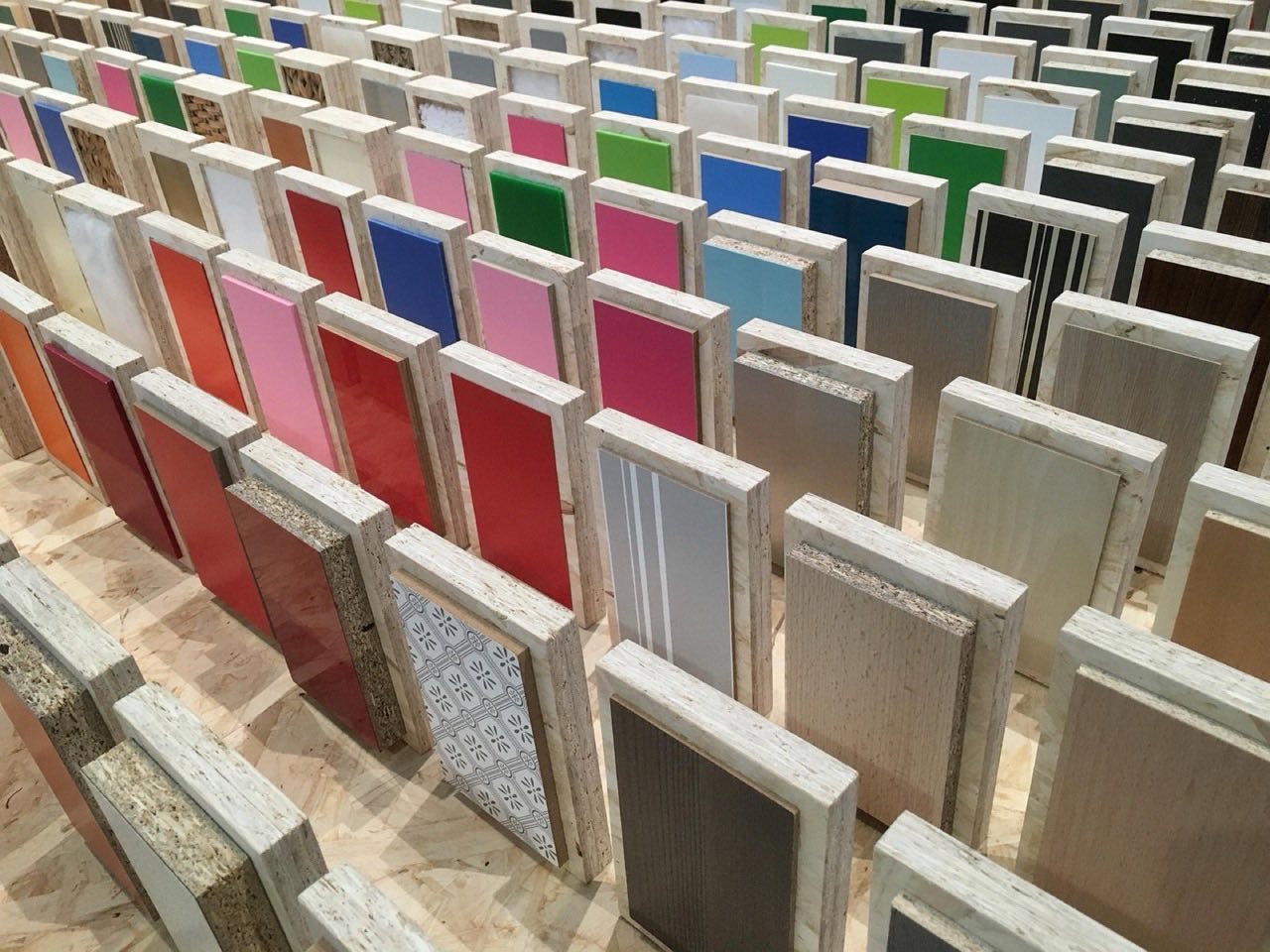
A CMF-led housing program for a countertop filtration unit, specifying finish and color across five SKUs from one shared tool.
Design director, kitchen-appliance brand
The document a moldmaker actually signs
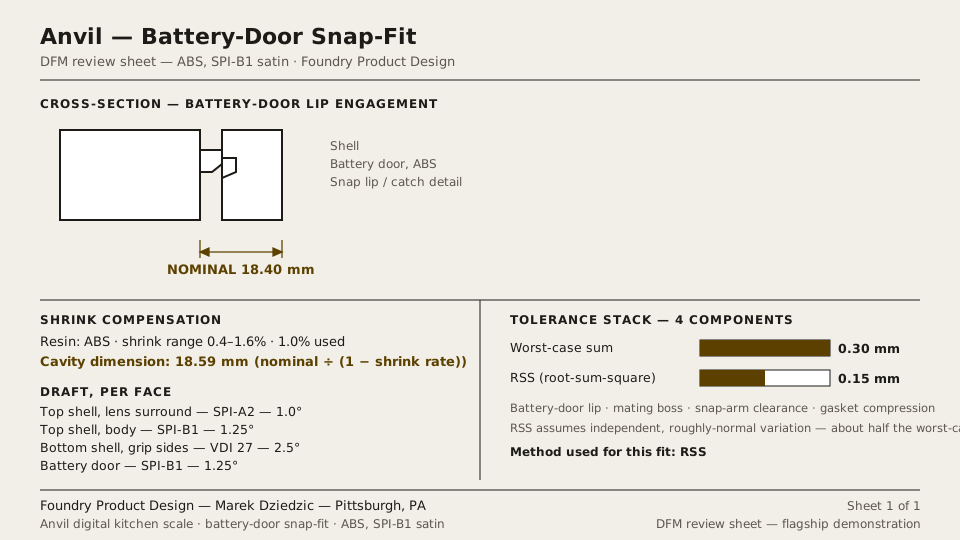
Before a tool is quoted, Marek runs the fit that matters most through a review sheet — nominal dimension, shrink-corrected cavity, per-face draft and both tolerance-stack methods, side by side. This is the actual sheet for Anvil Digital Kitchen Scale's battery-door snap-fit, the flagship demonstration this whole page is built around.
Two corrections, keyed to resin and finish
A moldmaker doesn't cut the cavity to the part's nominal size — they cut it to
nominal ÷ (1 − shrink rate). The same 60.0 mm CAD dimension becomes a
60.24 mm cavity in ABS and a 61.3 mm cavity in POM: different tools, different numbers, same drawing.
| Resin | Family | Shrink range | Typical use |
|---|---|---|---|
| ABS | Amorphous | 0.4–1.6% | General enclosures, snap-fit shells — the Anvil body and battery door |
| Polycarbonate (PC) | Amorphous | 0.5–0.8% | Impact-critical or optically clear parts — display lenses, drop-test-rated shells |
| Polypropylene (PP) | Semi-crystalline | 1.5–2.2% | Living hinges, chemically resistant housings |
| Acetal (POM) | Semi-crystalline | 1.8–2.5% | Low-friction snaps and gears — the least predictable stack of the six |
| Nylon (PA6) | Semi-crystalline | 0.7–2.2% | Load-bearing brackets and clips — range depends heavily on moisture uptake |
| Nylon, 30% glass-filled (PA6-GF30) | Glass-filled semi-crystalline | 0.3–0.8% | Structural chassis parts — glass fill suppresses and directionalizes the shrink |
The base rule of thumb is 1° of draft per inch of draw depth; a textured surface needs more on top of that, roughly 1–1.5° of additional draft per 0.001 in (0.025 mm) of texture depth.
| Grade | Description | Draft range |
|---|---|---|
| SPI-A2 | High-gloss, diamond-buffed | 0.5–1° |
| SPI-B1 | Satin, 600-grit stone | 1–1.5° |
| VDI 18 | Light grain texture | 1.5–2° |
| VDI 27 | Medium grain, slip-resistant | 2–3° |
| VDI 45 | Coarse leather grain | 3–10°+ |
Per-face draft, Anvil — a finer finish (SPI-A2) needs the least draft; the textured grip (VDI 27) needs the most, exactly as the reference table predicts.
Run against Anvil Digital Kitchen Scale's battery-door lip engagement — ABS, 1% shrink used (midpoint of 0.4–1.6%).
Two guarantees, not one arithmetic fact
Worst-case stacking sums every part tolerance in the chain and guarantees the fit works even if every part lands at the extreme of its tolerance simultaneously — safe, but tighter than necessary. Root-sum-square (RSS) stacking assumes the variations are independent and roughly normal, and for this four-component fit it cuts the required stack to about half. Foundry specifies RSS for this fit — the battery door is a low-consequence, high-cycle-count snap, and the statistical risk is worth the looser individual tolerances it buys each supplier.
| Component | Tolerance |
|---|---|
| Battery-door lip engagement | ± 0.1 mm |
| Mating boss on shell | ± 0.08 mm |
| Snap-arm deflection clearance | ± 0.05 mm |
| Gasket compression allowance | ± 0.07 mm |
| Worst-case sum | 0.3 mm |
| RSS (root-sum-square) | 0.15 mm |
The finish a CMF board specifies isn't free
Color, material and finish for Anvil Digital Kitchen Scale, plus the resin glossary behind every material callout on this page.
What ships, what it costs, what it survived
Anvil Digital Kitchen Scale's bill of materials, its test & reliability report, and the compliance marks it ships under.
| Component | Material | Supplier role | Unit cost |
|---|---|---|---|
| Top shell | ABS, SPI-A2 lens / SPI-B1 body | Tier-1 molder (Pittsburgh region) | $1.85 |
| Bottom shell | ABS, VDI 27 grip texture | Tier-1 molder (Pittsburgh region) | $1.65 |
| Battery door | ABS, SPI-B1 satin | Tier-1 molder (Pittsburgh region) | $0.42 |
| Load cell, 5 kg strain-gauge | Aluminum alloy, sourced | Component distributor | $3.10 |
| PCB assembly (MCU, ADC, BLE) | FR-4, SMT-populated | Contract electronics manufacturer | $6.75 |
| Battery-door gasket | Molded silicone | Gasket molder | $0.28 |
| Feet, set of 4 | TPE overmold | Tier-1 molder (Pittsburgh region) | $0.18 |
| Total unit cost, at volume | $14.23 | ||
| Test | Method | Result |
|---|---|---|
| Drop test, 6-face | 1.0 m onto concrete, IEC 60068-2-32 | Pass |
| Drop test, corner | 1.5 m onto concrete, single corner | Pass |
| Ingress protection | IP54 — dust and splash, IEC 60529 | Pass |
| Calibration accuracy | ±1 g at 1 kg reference load (0.1% FS) | Pass |
| Battery-door cycle test | 5,000 open/close cycles | Pass |
Stage-gate, not a single deliverable
Six stages, concept to production — the DFM review above sits in the middle, not bolted on at the end.
Real lead-time bands per stage, from mold design through production release.
Foundry's own IP, self-funded and sold directly
Small-batch manufactured in Pittsburgh, 220 × 160 × 22 mm, ABS shell — the same product this entire page's DFM sheet, bill of materials and test report are drawn from.
$89
Ships direct from Pittsburgh, PA. Distinct from the client work above — this one is already costed and priced today, not withheld pending a scope-varying engagement.
Message on LinkedIn to orderPittsburgh, on purpose
Marek Dziedzic runs Foundry Product Design as a solo practice out of Pittsburgh, PA — Carnegie Mellon's School of Design, founded 1934, is one of the oldest industrial-design programs in the US, and the region's tooling and metal-manufacturing base means a moldmaker is never far from the studio. That's not incidental to where Foundry is — it's most of why it's here.
Trained in industrial design with a focus on manufacturability, Marek spent years inside a consumer-electronics DFM team before opening Foundry — the review-sheet habit on this page is that job's discipline, not a marketing device.
“Marek’s DFM sheet caught a draft problem on our grip texture two weeks before we cut steel — that alone paid for the whole review.” — Hardware engineering manager, consumer-electronics client

FAQ
Because scope varies more than a single number could honestly cover — a concept-only sprint and a concept-through-tooling engagement are different jobs with different risk, and quoting one price for both would misstate the least certain fact on this page as the most certain one. Scope and fee are set together once the brief is clear.
Yes — Foundry manages the moldmaker relationship end to end: DFM review sign-off, the T1–T3 sample rounds and the PPAP package, all on the timeline in the tooling section above. One point of contact from concept through the first production run.
Start a conversation
LinkedIn is fastest — email works too. A scope-varying consulting engagement doesn't collect an inquiry the way a fixed-price commission does, so there's no form here: just say what you're building.